
meet the team
-

Assoc Prof Ben Spies-Butcher - Co-Director
Associate Professor Ben Spies-Butcher teaches Economy and Society and is Discipline Chair of Sociology in the Macquarie School of Social Sciences. Ben completed his PhD in Economics at the University of Sydney while working in the non-government sector on issues of human rights. His research focuses on the political economy of social policy and the welfare state, particularly how economic and political change shape social policy financing. His current research explores how financial logics common in the private sector are reshaping social policy through changes in public sector budgeting, and the potential for these changes to open new opportunities for egalitarian social provision. He was the 2017 Glenda Powell Travelling Fellow for the Australian Association of Gerontologists and he is an editor of The Economic and Labour Relations Review and Journal of Australian Political Economy.
-
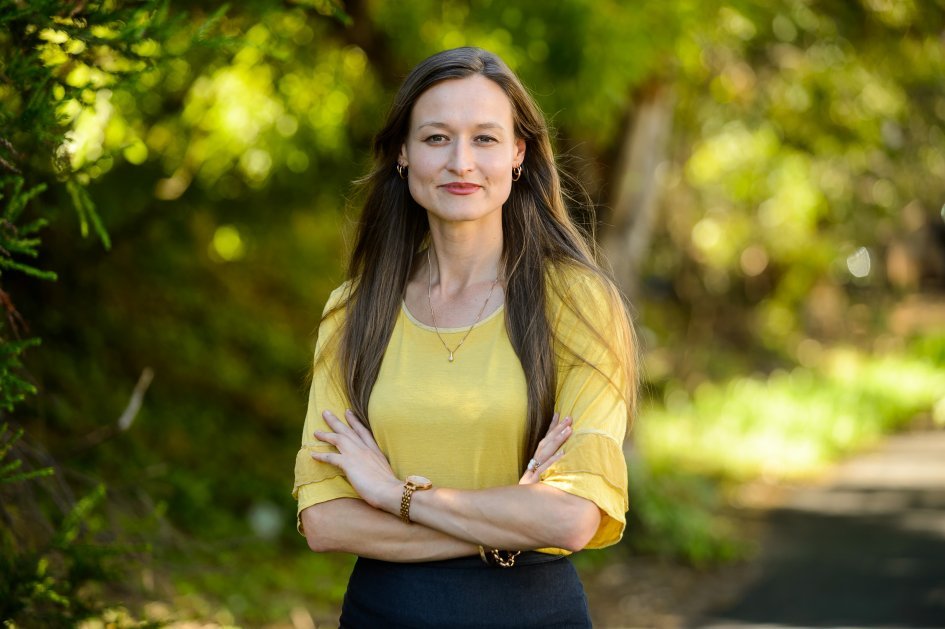
Assoc Prof Elise Klein (OAM) - Co-Director
Associate Professor Elise Klein is an Associate Professor of Public Policy at the Crawford School, Australian National University. Her research focuses on development policy with a specific interest in work, redistribution, decoloniality and care. Klein has held various roles including working with the UN Secretary General’s High-Level Panel on Women’s Economic Development and the Human Rights Committee within the United Nations General Assembly. She was awarded the Medal of the Order of Australia (OAM) in 2019 and holds a Dphil in International Development from the University of Oxford. Her recent work on basic income includes: Implementing a Basic Income in Australia: Pathways Forward (Palgrave), Radical transformation or technological intervention? Two paths for universal basic income (World Development), Reparations as a Rightful Share: From Universalism to Redress in Distributive Justice (Development and Change).
-

Dr Troy Henderson - Co-Director
Dr Troy Henderson is a Senior Researcher at the Mental Wealth Initiative at the University of Sydney, an interdisciplinary research collaboration between the Brain and Mind Centre and the Business School. He is also Co-Director of the Australian Basic Income Lab, a cross-institutional research partnership between the University of Sydney, Macquarie University and the Australian National University. He was previously a Lecturer in Political Economy at the University of Sydney and a Research Economist at the Centre for Future Work. His PhD thesis explored Basic Income as a Policy Option for Australia. His Masters thesis examined the case for a Four-Day Workweek in Australia. He has published widely on Basic Income and labour market issues, presented at numerous Australian and international conferences, and appeared regularly in the media.
-

Assoc Prof Gareth Bryant - Chair
Associate Professor Gareth Bryant is a political economist at the University of Sydney. He is an ARC DECRA Fellow in the Department of Political Economy and economist-in-residence with the Sydney Policy Lab. Gareth researches how public policy and public finance can create more sustainable, equal and democratic economies. His research has focused on issues including climate change, higher education, housing, labour and Indigenous justice. Gareth is the author of Carbon Markets in a Climate-Changing Capitalism (Cambridge University Press, 2019).
-
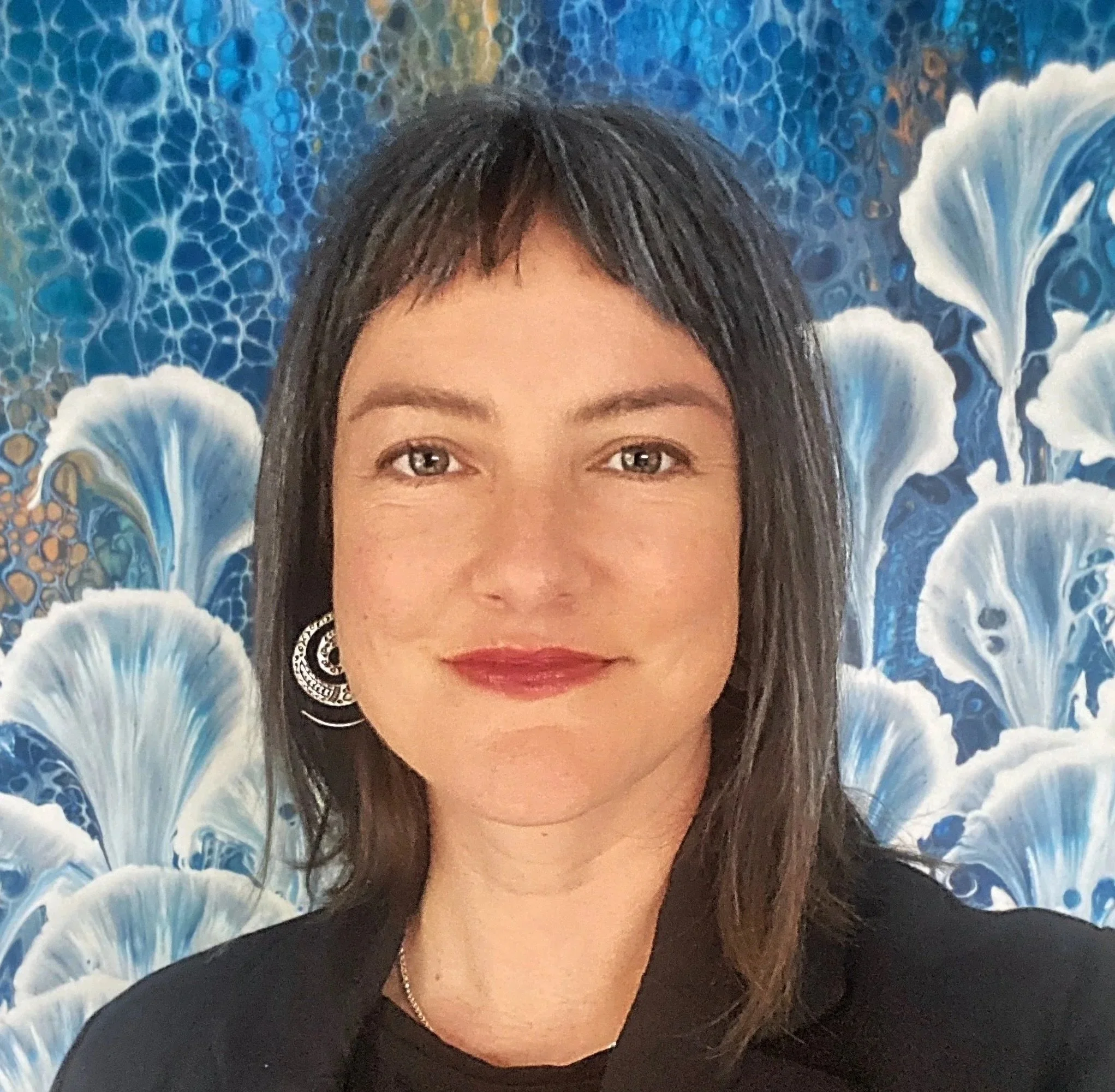
Dr Zoe Staines - Co-Director
Dr Zoe Staines is Senior Lecturer and Director of Research in the School of Social Science at The University of Queensland. Her interdisciplinary research spans social policy, sociology, and criminology, examining gender and work, care, welfare conditionality, universal basic income, and (de)coloniality. She has published four books — including on women and basic income (Routledge, 2025) — and dozens of journal articles. Zoe is a member and mentor (Asia Pacific Region) with the International Association for Feminist Economics and lifetime member of the Basic Income Earth Network. She chairs the Organising Committee for the 2026 Australian Social Policy Conference and serves on the board of the Council for Humanities, Arts, and Social Sciences (CHASS). Before academia, she held senior research and policy roles in government and the non-profit sector.